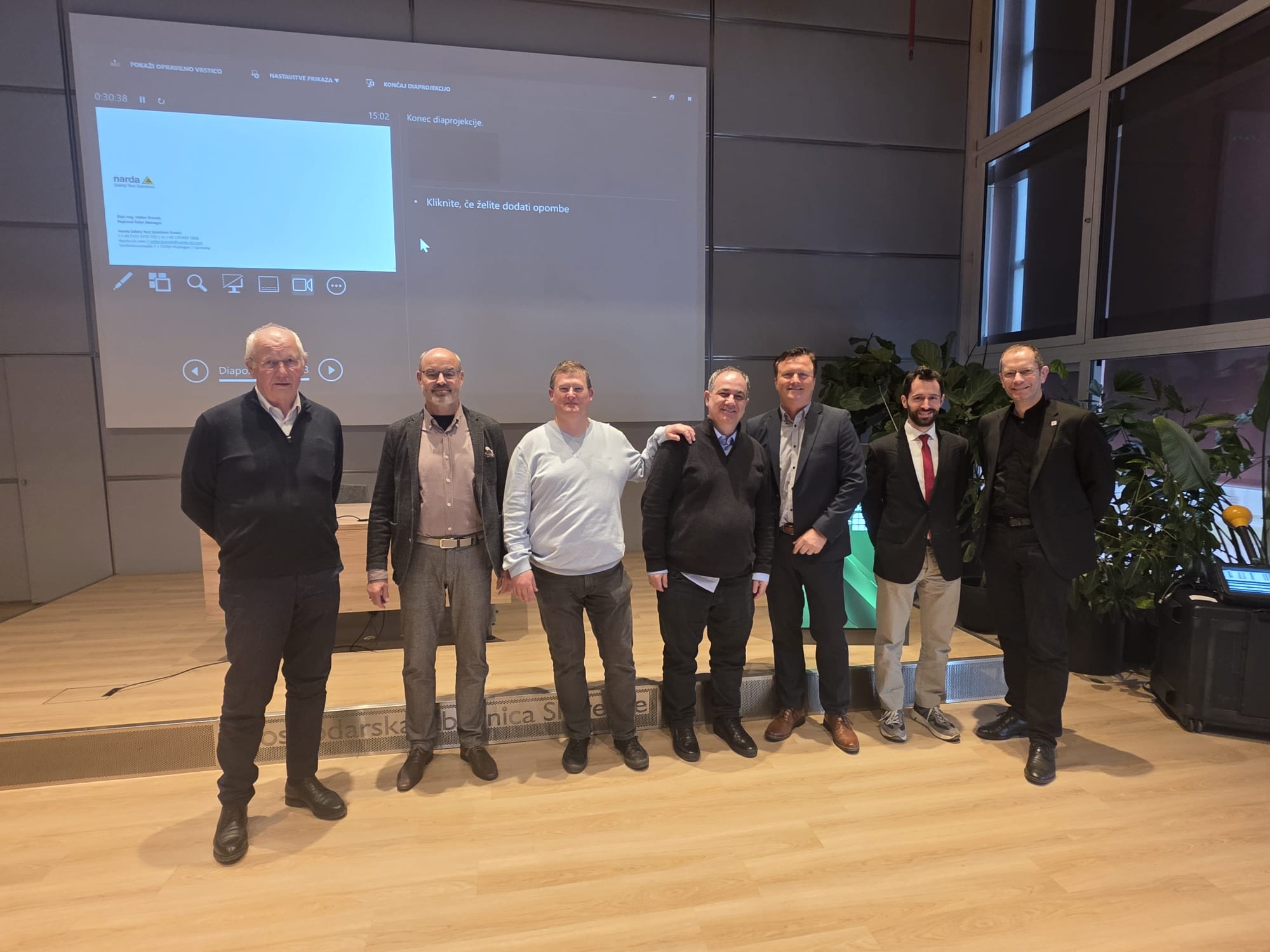
A high-level international workshop organised by the Institute of Non-Ionizing Radiation (INIS) brought together more than 120 participants to explore the evolving landscape of electromagnetic field (EMF) exposure and its potential impacts on health and the environment.
The event convened leading experts from academia, industry, regulatory authorities, and public health organisations to address key questions arising from the rapid deployment of wireless technologies, particularly 5G and future 6G systems. Discussions focused on how our electromagnetic environment is changing, how exposure can be reliably assessed, and what current scientific evidence indicates regarding potential risks of 5G in the millimetre-wave range.
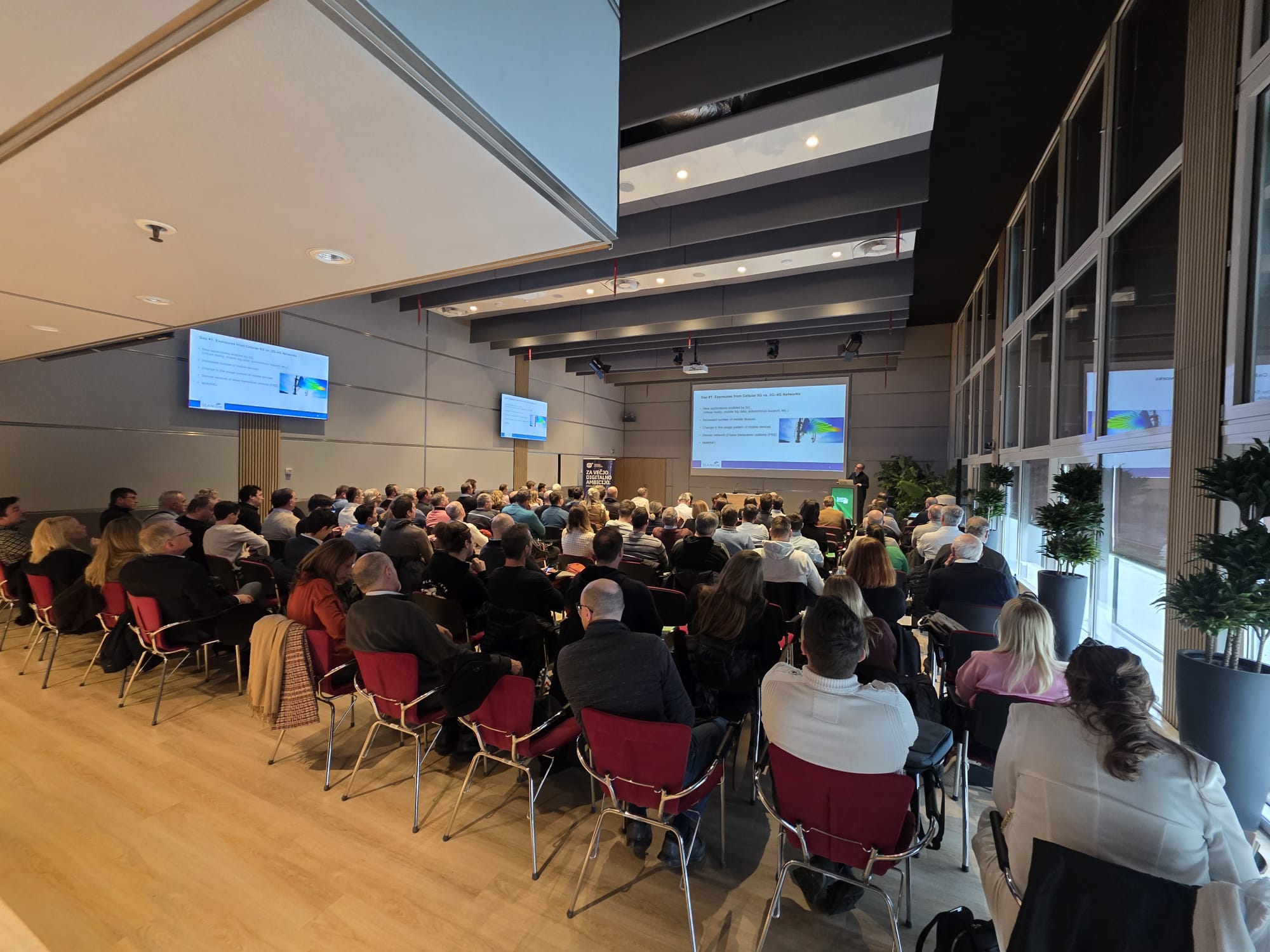
A central component of the workshop was the presentation of results from the EU-funded project SEAWave, in which INIS was a partner, alongside complementary insights from other ongoing EU projects that form together the CLUE-H, a major European research cluster involving over 70 research organisations, with contributions from international partners in the USA, Korea, and Japan.
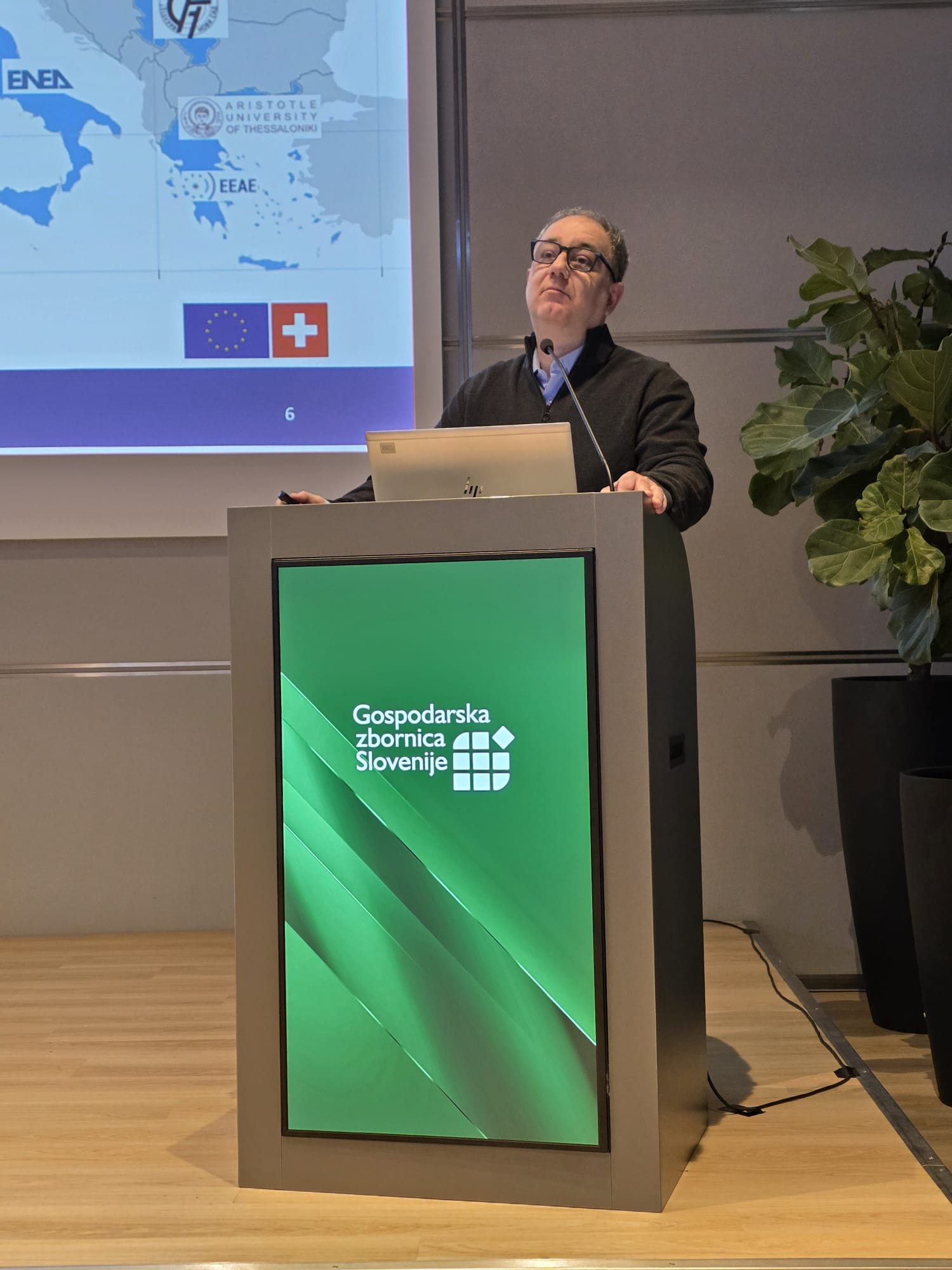
In the opening plenary, Theodoros Samaras (Aristotle University of Thessaloniki) presented key findings from SEAWave on exposure and health risk assessment for 5G and beyond, and highlighted the broader progress achieved within the CLUE-H cluster.
The scientific programme covered a wide spectrum of topics reflecting both technological and methodological challenges (https://inis.si/seminarji/2026-seminar-en/). Particular emphasis was placed on advanced measurement procedures and instrumentation, underlining the importance of robust and harmonised methodologies for exposure assessment in increasingly complex and dynamic electromagnetic environments.
By fostering dialogue between researchers, industry stakeholders, and policymakers, the event contributed to strengthening the European research ecosystem and supporting evidence-based approaches for the safe deployment of next-generation wireless technologies.